
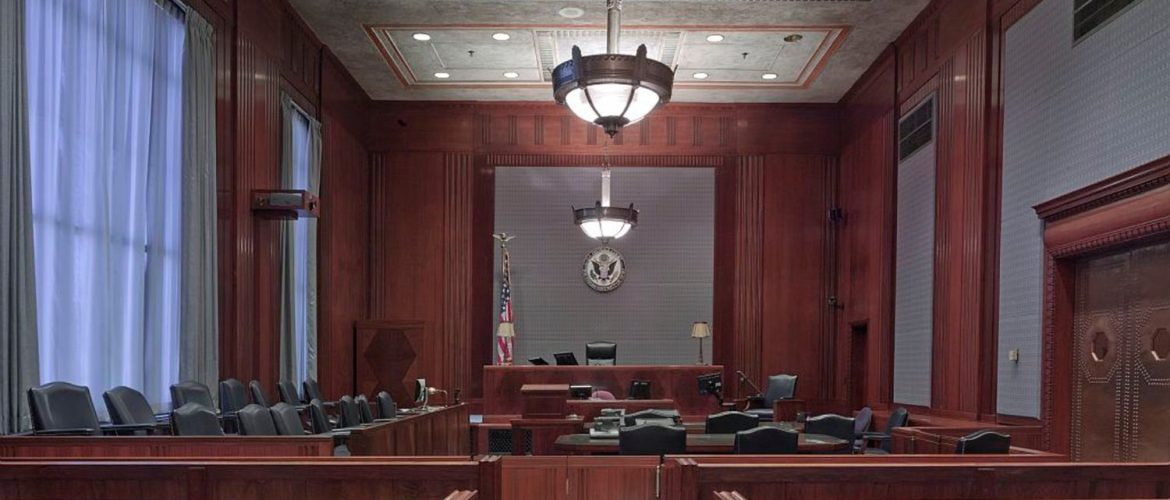
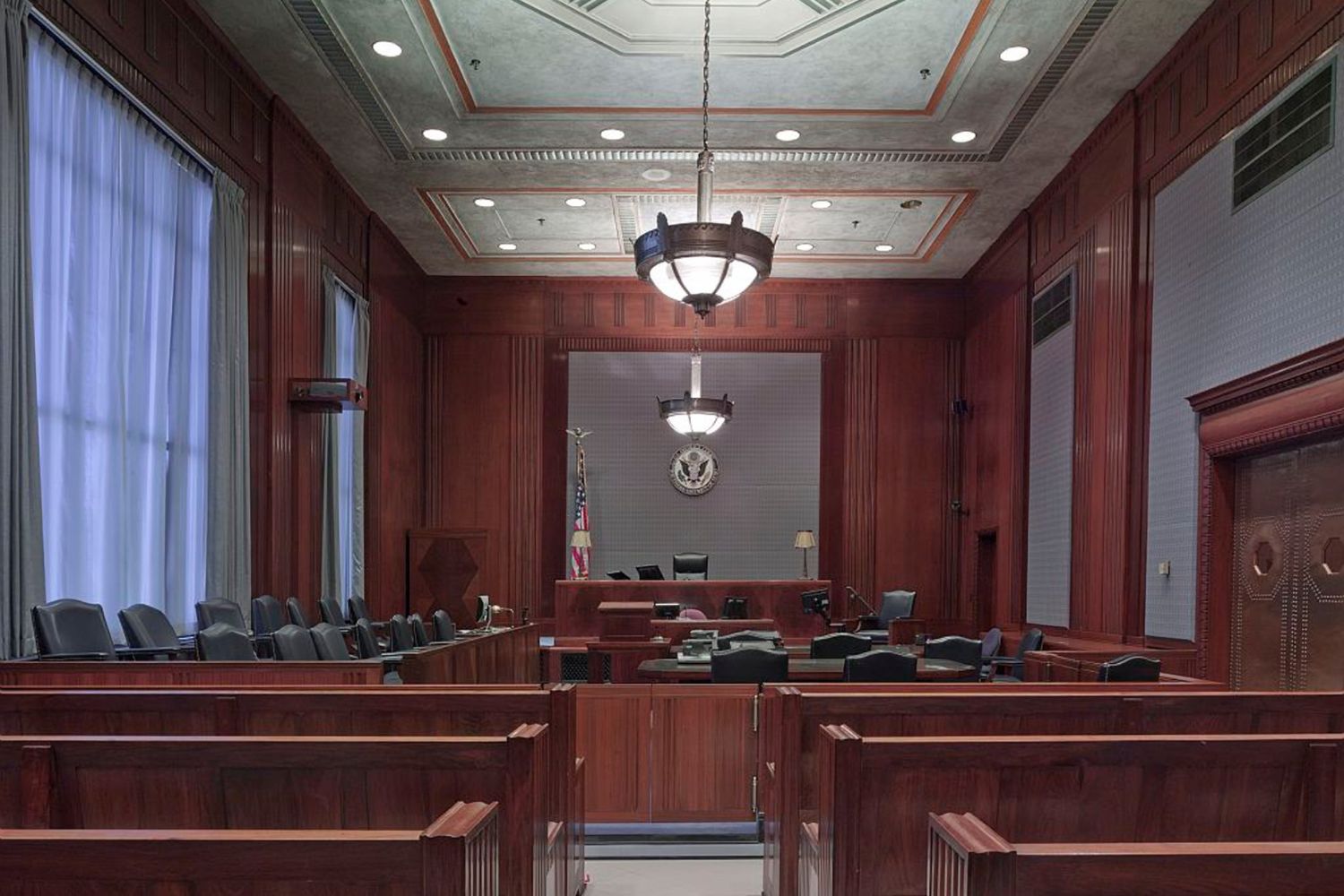
A domestic violence injunction hearing is the court date where a judge decides whether a temporary order becomes a final, long-term injunction. In Orange and Seminole County, that hearing usually lands within about two weeks of the petition being filed, and, for the person named as the respondent, it is often the only chance to respond before the order takes effect.
How a Domestic Violence Injunction Reaches a Hearing
Under Florida Statute 741.30, anyone who claims to be a victim of domestic violence, or who has reasonable cause to believe violence is about to happen, can file a sworn petition asking a circuit court judge for protection. In Orange County, that petition goes through the Clerk of Courts’ Family Services Injunction Team; in Seminole County, it goes through the Clerk of the Circuit Court. Filing is free in both counties.
If the judge finds an immediate danger from the petition alone, a temporary injunction can be entered the same day, without the respondent present. That is what “ex parte” means: only one side has spoken to the court so far. The law sets that temporary order at 15 days and directs the court to hold a full hearing before it expires. If a judge instead denies the temporary injunction because there was no appearance of immediate danger, state law still requires a full hearing at the earliest possible date.
Either way, the respondent is personally served with the petition, any temporary order that’s been put in place, and a notice listing the hearing date. That notice period is short. Read it and put the hearing date on the calendar the day the notice arrives.
An injunction case runs on its own track, separate from any criminal domestic violence charge connected to the same incident. If you were also arrested, understanding how those criminal charges are handled in Florida can help you see the fuller picture before your injunction hearing.
What Happens at a Domestic Violence Injunction Hearing
The hearing is held in front of a circuit court judge, not a jury. Both the petitioner and the respondent are expected to appear and testify. Either side can bring an attorney, though the court does not appoint one automatically in this kind of civil case.
The petitioner typically goes first, describing what happened and offering any supporting evidence. The respondent then has the right to cross-examine the petitioner, present a different account, call witnesses, and offer documents or messages that add context to the allegations. The judge can also question either party.
Florida courts have upheld final injunctions based on a petitioner’s testimony alone, as long as the judge finds that testimony credible. That cuts both ways: a respondent’s own testimony, delivered clearly and consistently, carries real weight too. Nothing about the process guarantees a particular result before the judge hears both sides.
If the petitioner does not show up, judges often dismiss the case, though they are not required to. The court can also continue the hearing for good cause, including time needed to complete service on the respondent.
What the Judge Weighs as Evidence in a Domestic Violence Injunction Case
There is no fixed checklist, but hearings in Orange and Seminole County tend to review these materials:
- Text messages, emails, voicemails, and social media messages between the parties
- Police reports, 911 call records, and body camera footage where available
- Photographs of injuries or property damage
- Medical records
- Witness testimony from people who saw the incident or know the relationship history
- Any prior injunctions, arrests, or documented disputes between the same two people
For a respondent, the strongest evidence is usually whatever contradicts the timeline in the petition: location records placing you elsewhere, messages showing a different version of events, or a witness who was actually in the room. If the incident involved a physical confrontation on both sides, self-defense may still be relevant to your case. Evidence should be gathered early. Text threads get deleted, memories fade, and the hearing date arrives faster than most people expect.
Possible Outcomes of a Domestic Violence Injunction Hearing
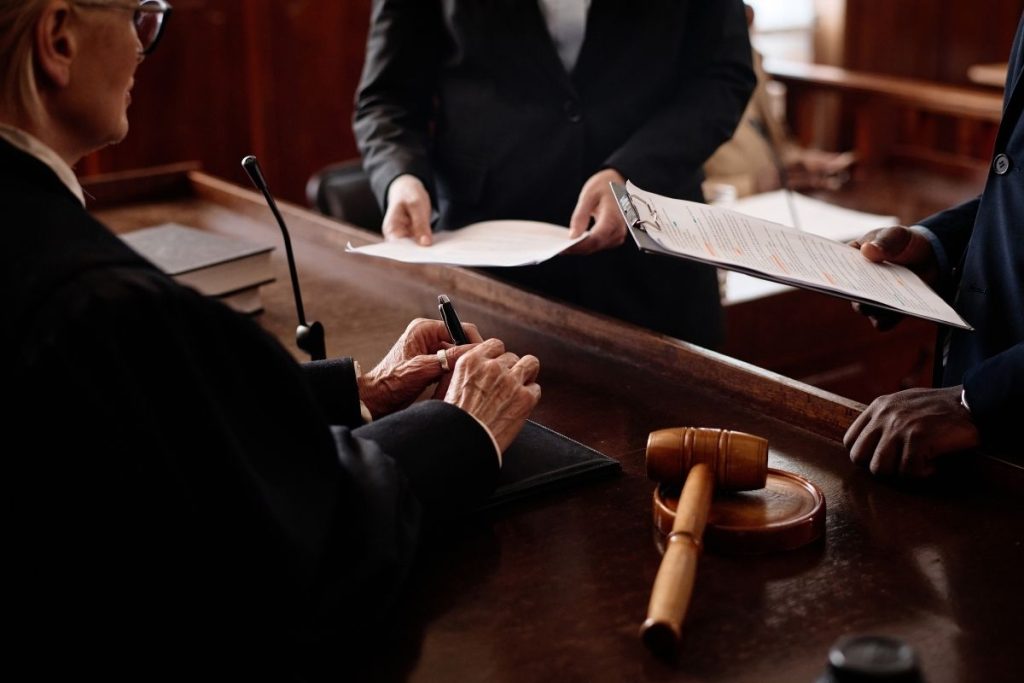
A judge at a final injunction hearing generally reaches one of these outcomes:
- Dismiss the case, most often when the petitioner does not appear
- Deny the injunction if the evidence does not meet the legal standard for domestic violence or imminent danger
- Grant a final injunction with the terms requested, which can include no contact, staying away from a shared home, work, or school, and surrendering firearms
- Grant a modified injunction that narrows the terms, such as allowing brief contact for child exchanges while still barring the parties from living together
A final injunction in Florida does not carry a fixed expiration date. It runs indefinitely until a judge modifies or dissolves it, which means either party can later ask the court to revisit the terms if circumstances genuinely change.
What a Final Domestic Violence Injunction Means Going Forward
An injunction is a civil order, but it comes with consequences that follow you well past the hearing.
Firearms Restriction
Florida Statute 790.233 makes it a crime to possess a firearm or ammunition while subject to certain domestic violence or stalking injunctions. Surrendering firearms is often a condition of the order itself.
Violations
Breaking the terms of an injunction is not only a civil matter. Under Florida Statute 741.31, a willful violation, such as contacting the petitioner or going to a restricted address, can lead to arrest, criminal contempt proceedings, or new criminal charges, on top of whatever the injunction already restricts.
Background and records
A final injunction can surface in background checks and may affect housing applications and professional licensing. Where children are involved, it can also factor into custody and time-sharing decisions.
Related criminal cases
If there is a separate criminal case tied to the same incident, testimony given at the injunction hearing can affect that case too. Anyone facing both should coordinate strategy across the two rather than treat them as unrelated. If the criminal charge is later dismissed, dropped, or resolved without a conviction, it may become eligible for expungement, though that is a separate process from modifying or dissolving the injunction itself.
Do You Need an Attorney for a Domestic Violence Injunction Hearing?
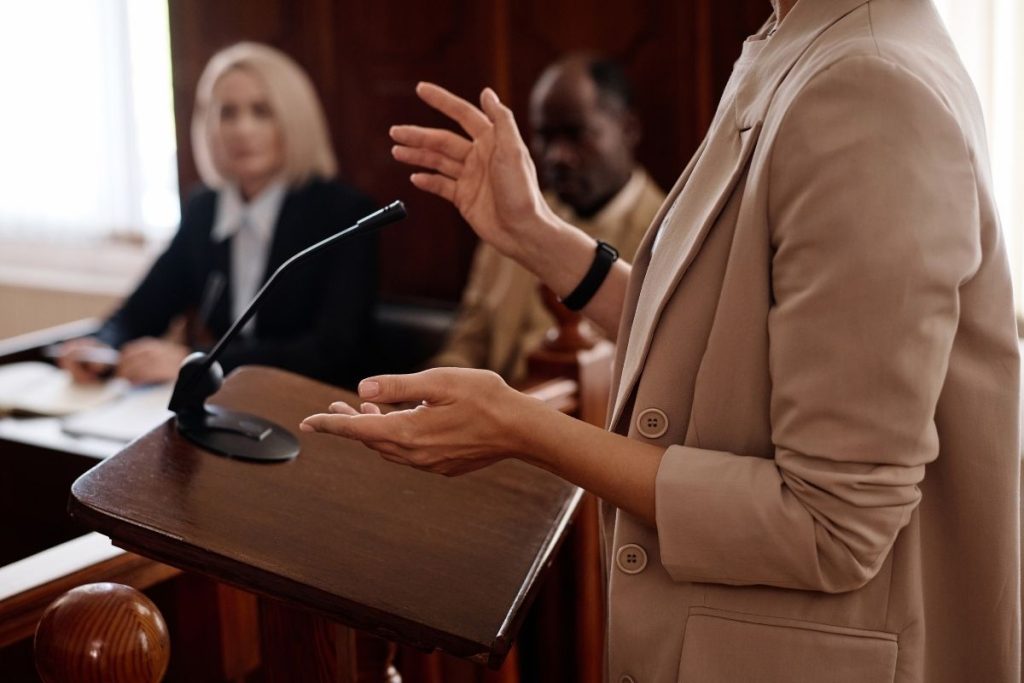
Florida law does not require a respondent to have an attorney at an injunction hearing, and the court will not appoint one, since injunctions are civil proceedings rather than criminal ones. That does not make the stakes any smaller. A final injunction can restrict where you live, whether you can possess a firearm, and how much contact you have with your children, all from a single hearing that can move quickly.
Respondents keep specific rights throughout this process: notice of the hearing, the chance to present evidence and witnesses, and the right to be represented by counsel if they choose one. An attorney who has handled domestic violence injunction cases in Orange and Seminole County knows how local judges run their calendars, what kind of evidence tends to move a case, and how to cross-examine a petitioner without creating problems for a parallel criminal matter.
How to Prepare Before Your Domestic Violence Injunction Hearing
Do:
- Read the temporary order carefully and follow every term, even the ones you plan to contest.
- Preserve texts, emails, call logs, photos, and the names of anyone who witnessed what happened.
- Write down your own account of events while it is still fresh, including dates, times, and what led up to each incident described in the petition.
- Contact an attorney as soon as you are served. Preparation takes time, and the hearing date is set quickly.
Do Not:
- Contact the petitioner directly or through a third party, even to “clear things up”
- Post about the case on social media
- Assume the case will be dismissed if the petitioner misses the hearing
- Skip the hearing. A judge can enter a final injunction against a respondent who does not appear.
Domestic Violence Injunction Hearing FAQs
How long does a domestic violence injunction hearing take in Florida?
Most hearings last anywhere from a few minutes to about an hour, depending on how much testimony and evidence each side presents. Contested hearings with witnesses on both sides can run longer.
What happens if I miss my domestic violence injunction hearing?
A judge can enter a final injunction against a respondent who fails to appear, based on the petitioner’s evidence alone. Missing the hearing does not make the temporary order go away.
Can I be arrested over a domestic violence injunction even though it is a civil order?
Yes. The injunction itself is civil, but violating its terms is enforceable as criminal contempt or as a separate criminal charge under Florida Statute 741.31.
How long does a final domestic violence injunction last in Florida?
There is no set expiration date. A final injunction stays in effect until a judge modifies or dissolves it, which either party can request later if circumstances change.
Can a final domestic violence injunction affect my ability to own a firearm?
Yes. Florida Statute 790.233 prohibits possessing a firearm or ammunition while subject to certain domestic violence or stalking injunctions, and surrendering firearms is a common condition of a final order.
Does a domestic violence injunction hearing affect a related criminal case?
It can. Testimony given at an injunction hearing is on the record and can be used in a connected criminal proceeding, which is one reason to coordinate strategy across both.
If you have been served with a domestic violence injunction petition in Orange or Seminole County, the hearing date on that paperwork is real and it is close. Contact Rentz Law for a confidential consultation before you go in front of a judge without a plan.
This article is for general informational purposes only and does not constitute legal advice. Reading this content does not create an attorney-client relationship. Every case is different; contact Rentz Law directly to discuss the facts of your specific situation.

Attorney Carrie L. Rentz has practiced law in Florida since 2004. She began as an Assistant State Attorney for the 18th Judicial Circuit, handling misdemeanors and later felonies, before discovering her passion for defending the accused. After working part-time with the Office of Criminal Conflict and Civil Regional Counsel while managing her private practice, she transitioned to running her firm full-time. She has since handled thousands of criminal cases—focusing on drug crimes, sex crimes, domestic violence, theft, and juvenile offenses—and earned a 10.0 Superb Avvo Rating, ranking her among the National Trial Lawyers’ Top 100 Trial Attorneys.