A juvenile arrest can be frightening for both the child and their family. The juvenile justice system in Florida is very different from the adult system, and the consequences of a single mistake can affect school, athletics, scholarships, and future opportunities. If your child has been detained or accused of a crime in Orlando, Winter Park, Sanford, or anywhere in Orange or Seminole County, you need experienced legal guidance right away.
At Rentz Law, Attorney Carrie L. Rentz brings more than 20 years of criminal defense experience—including extensive work with juvenile cases—to help protect young people and give families a clear path forward. Your child receives personalized attention, strong advocacy, and compassionate support throughout the process.
How Rentz Law Can Help Families After a Juvenile Arrest
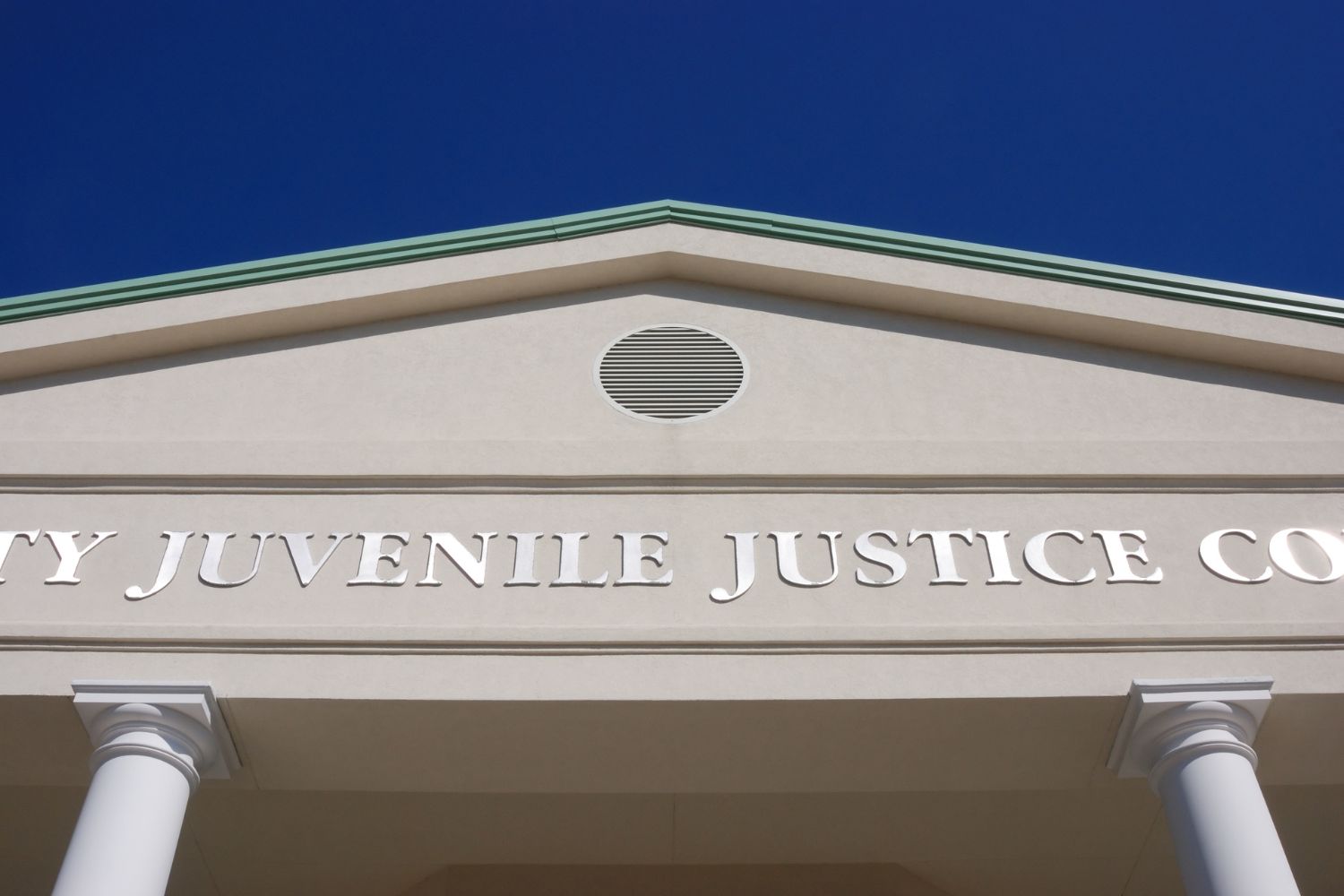
Local experience with juvenile courts – Frequent appearances in the Orange County Juvenile Justice Center (Orlando) and Seminole County Juvenile Division (Sanford) mean we understand local judges, probation officers, diversion programs, and how cases are handled county by county.
Hands-on representation – Carrie personally guides families from the detention hearing through the final resolution.
Communication your way – Parents and guardians receive updates by text, phone, or email so you always understand what is happening.
Meet Your Juvenile Defense Attorney
Carrie L. Rentz is a seasoned defense attorney and former prosecutor. She understands how the Department of Juvenile Justice (DJJ) evaluates cases, how prosecutors decide whether to pursue adult charges, and what factors judges consider when recommending diversion or probation.
Understanding Juvenile Charges in Florida
Juvenile charges range from minor offenses to serious felonies. Common allegations include:
- Theft and shoplifting
- Battery or school fights
- Vandalism or property damage
- Drug possession
- Burglary or robbery
- Weapon possession
- Truancy or probation violations
Florida treats juvenile cases differently because the focus is rehabilitation, not punishment. However, the Florida Statute 985 explains that the process can still lead to detention, probation, or even adult prosecution for serious offenses.
How Common Are Juvenile Cases in Orange and Seminole Counties?
Both counties see large numbers of juvenile referrals each year. Orange County had more than 1700 juvenile arrests in the last reporting year, and Seminole County reported just over 600 juvenile arrests. The cases can be referred by:
- School-based law enforcement (including school resource officers)
- Orlando Police Department and Orange County Sheriff’s Office
- Sanford Police Department and Seminole County Sheriff’s Office
- Juvenile Assessment Centers (JACs) in Orlando and Sanford, which process youth immediately after arrest
Florida law encourages diversion where appropriate, but local practices can be more strict. The quality of the defense can significantly influence whether a child enters a diversion program or faces formal charges.
What Happens After a Juvenile Arrest?
Juvenile cases move quickly, and parents are often left confused about what comes next. Here is the typical process:
1. Juvenile Assessment Center (JAC) Intake
After arrest or detention, youth are taken to the JAC for processing, risk assessment, and evaluation.
2. Detention Hearing
Within 24 hours, a judge decides whether the child goes home with conditions, is placed on home detention, or must remain in secure detention.
3. DJJ Review & State Attorney Filing Decision
The Department of Juvenile Justice (DJJ) assesses the youth’s background and risk. The State Attorney then decides whether to file a delinquency petition, place the youth in diversion, or decline prosecution.
4. Arraignment, Negotiations & Hearings
Juvenile cases often involve counseling, probation, community service, or programs tailored to youth development.
5. Final Resolution
With the right defense, many cases result in:
- Diversion
- Withhold of adjudication
- Probation
- Dismissal
Avoiding adjudication is crucial because it protects future sealing and expungement options.
How We Defend Juvenile Cases
Every juvenile case is different, and our strategy focuses on fairness, rehabilitation, and protecting educational and future opportunities.
Initial Case Review – We gather reports, witness statements, school records, and JAC assessments to understand what happened and what is at stake.
Evidence & Investigation – We interview witnesses, obtain surveillance video, review school disciplinary records, and challenge inconsistencies in officer or witness accounts.
Diversion Advocacy – Many juvenile cases can be resolved without formal charges. We present mitigation, academic records, therapy involvement, and family support to increase the chance of diversion.
Pretrial Negotiation & Mitigation – We work with DJJ and prosecutors to craft alternatives that focus on learning and rehabilitation, not punishment.
Hearing Representation – If the case proceeds, we present evidence, cross-examine witnesses, and argue for outcomes that avoid detention and protect the youth’s record.
Communication & Family Support – We explain every step clearly so parents and guardians feel supported, informed, and prepared.

Your Child's Rights in the Juvenile System
Juveniles have many of the same constitutional rights as adults. Their rights include:
- The right to remain silent
- The right to an attorney
- The right to challenge evidence
- The right to a hearing before adjudication
However, juvenile cases move quickly and involve unique assessments and reports. Early representation protects a child from making statements or decisions that could harm them later.
Potential Consequences and Long-Term Impact
Consequences vary based on the offense and the youth’s background. Common consequences for juveniles are:
- Probation
- Counseling or treatment
- Community service
- Restitution
- Home detention or secure detention
Long-term consequences may include:
- School discipline
- Loss of scholarships or extracurricular participation
- Difficulty with college, military, or employment applications
- Delays in obtaining driver’s licenses
- Barriers to future sealing or expungement if adjudicated
Avoiding adjudication and securing diversion when possible are key goals of every juvenile defense strategy.
What Parents and Guardians Should Do Right Away
You want to be sure that every action you and your child take will support their case, not hinder it. Follow these guidelines:
- Do not let your child speak to police without an attorney present.
- Keep all paperwork from the JAC, probation, or school.
- Preserve texts, screenshots, or videos related to the incident.
- Avoid posting about the situation online.
- Contact an attorney immediately—juvenile cases move faster than adult cases.
What Our Clients Are Saying
Carrie was extremely helpful in a difficult situation. She was detailed, easy to communicate with and provided a favorable result in the end. If your looking for a great attorney pick up the phone and call Carrie today!
Stefanie M.
Carrie is everything as advertised. She actually puts in time and effort to get to know you and shows true sympathy toward her clients. Great people skills and even better knowledge of the law. Highly recommended!
Fred A.
When I initially called Carrie I was hesitant, scared, and didn't know what to expect. I can tell you first hand, Carrie and her assistant are AMAZING. I would recommend to anyone and everyone. Good luck Carrie on your future endeavors, all the best.
Wendy A.
I hired Mrs. Rentz for a legal issue I had in the Orlando area. Being from out of town, I use some references as a guide. Mrs. Rentz looked to be the right attorney. She is very caring and takes your issue very seriously.
Derek W.
This was by far the best experience i have had with a lawyer she always let me know what was going on with my case and always stayed positive while fighting for me in the courtroom. Just want to say i appreciate everything you have done for me and will definitely recommend you to anyone. If i could it would be 10 stars, thank you again
Tosha G.
Carrie was wonderful to work with. She made the entire process so smooth for me and was always easy to get in touch with whenever I had any questions.
Brandon L.
Carrie Rentz is an amazing lawyer. She is very informed and ready to answer any questions I have. She and her assistant reply to emails in a timely fashion and are both very friendly and knowledgeable. If you are looking for a lawyer I 100% recommend her.
Angellina L.
Juvenile Defense FAQs
Will my child have a criminal record?
If the court withholds adjudication or the case is dismissed or diverted, we can often seal or expunge the record later.
Can a juvenile be charged as an adult in Florida?
Yes. For certain serious felonies, prosecutors may “direct file” adult charges. Strong early intervention can influence this decision.
Do parents need to attend hearings?
Yes. Juvenile court requires a parent or guardian present at nearly every hearing.
How long do juvenile cases take?
Many move faster than adult cases, sometimes resolving within weeks or a few months.
Will this affect college applications?
It can. That’s why avoiding adjudication and protecting the record is a top priority.


