Rape or sexual battery charges in Orlando bring swift, serious consequences that begin the moment you’re arrested. These cases are among the most serious criminal charges in Florida and carry consequences that reach far beyond the courtroom. Your reputation, employment, relationships, and future are all at risk.

At Rentz Law, we understand the weight of these accusations and provide assertive, strategic, and confidential legal defense for clients throughout Central Florida. With more than 20 years of experience, Attorney Carrie L. Rentz offers hands-on representation backed by deep knowledge of Florida’s sexual battery laws and the local court systems.

How Rentz Law Can Help

Local expertise – We frequently defend sexual battery cases in the Orange County Courthouse in Orlando and the Seminole County Criminal Justice Center in Sanford. Understanding how local prosecutors evaluate evidence and how judges handle sensitive allegations helps us anticipate issues early and protect your rights from the beginning.

Personal attention from a boutique, woman-led firm – Sexual battery accusations require discretion and individualized attention. Carrie works directly with you, reviews the evidence closely, and develops a defense strategy that reflects your circumstances. You always know who is handling your case and how it is progressing.

Communication your way – These cases are stressful and often move quickly. Whether you prefer phone, text, or email, Carrie stays accessible and responsive so you remain informed and supported throughout the entire process.

Meet Your Defense Attorney

Carrie L. Rentz

Carrie L. Rentz is an experienced criminal defense attorney and former prosecutor who has handled complex sexual battery cases across Central Florida. She brings a calm, deliberate, and focused approach to each case, examining forensic reports, digital communication, timelines, and inconsistencies in the State’s evidence. Her background gives her insight into the strategies prosecutors use and how to counter them effectively. 

20+ Years of Experience Serving Orange and Seminole Counties

Understanding Sexual Battery Charges in Florida

Florida uses the term “sexual battery” (defined under Florida Statute 794.011) rather than “rape.” Sexual battery covers a wide range of conduct, including allegations involving force or coercion, accusations involving intoxication or impairment, and cases where consent is disputed. Penalties can include lengthy prison sentences, sex offender registration, probation, and severe restrictions on employment and housing.

The State often relies heavily on:

  • Statements and interviews
  • Medical or forensic examinations
  • Text messages, calls, and social media communication
  • Location data and digital timelines
  • Witness accounts and character testimony

Many allegations arise between individuals who know each other, were dating, or had previous consensual contact. These cases often depend on context, credibility, and a detailed review of communication history.

Potential Consequences for Rape or Sexual Battery Charges

Florida’s sexual battery statutes impose some of the state’s harshest penalties.

Depending on the charge, individuals may face:

  • Lengthy prison sentences
  • Mandatory sex offender registration
  • Lifetime restrictions on employment and housing
  • Strict probation or community control
  • Permanent damage to personal and professional reputation

The consequences of a conviction extend far beyond sentencing, making early defense representation essential.

How Common Are Sexual Battery Cases in Central Florida?

Sexual battery is one of the most serious charges prosecuted in Orange and Seminole Counties. According to the Florida Department of Law Enforcement’s Crime in Florida Report, Orange County recorded more than 900 forcible sex offenses in the most recent reporting year, while Seminole County reported over 200.

These numbers reflect reported incidents, not verified crimes. Many cases proceed despite unclear evidence, inconsistent statements, or conflicting accounts influenced by alcohol, medication, or emotional disputes. Early representation ensures evidence is preserved and that statements made during the investigation do not disadvantage you later.

How We Defend Rape and Sexual Battery Cases

Every sexual battery case requires a tailored strategy based on the evidence and the circumstances surrounding the allegation.

Initial Case Review – We examine arrest records, police reports, forensic documentation, witness statements, and all available digital evidence, including text messages, social media communication, and location data.

Investigation and Strategy – We look for inconsistencies in the accuser’s statements, gaps in the timeline, improperly collected forensic evidence, and communication that contradicts the allegations. This may also include reviewing surveillance footage, device metadata, or rideshare logs that help reconstruct the events accurately.

Pre-Trial Motions and Negotiation – We may challenge the legality of searches, the reliability of statements, or the admissibility of evidence. When appropriate, we negotiate with the State to reduce or dismiss charges based on weaknesses in the case.

Trial Representation – If trial becomes the best path forward, we prepare thoroughly by examining every detail, cross-examining witnesses, and presenting your defense clearly and confidently.

Possible Outcomes – Dismissal, acquittal, reduction to a lesser charge, negotiated plea terms, or pre-trial intervention options depending on the nature of the allegations.

Communication and Support – Clients receive ongoing updates, direct contact with Carrie, and clear explanations at every stage.

Your Right to Fair Representation

An accusation alone does not meet the legal standard required for conviction. The State must prove every element beyond a reasonable doubt. You have the right to remain silent, to challenge the evidence, to cross-examine witnesses, and to present your own evidence. These rights matter deeply in sexual battery cases, where the evidence often consists of competing statements or limited physical findings. It is our job to make sure your rights are protected and that your case is evaluated fairly.
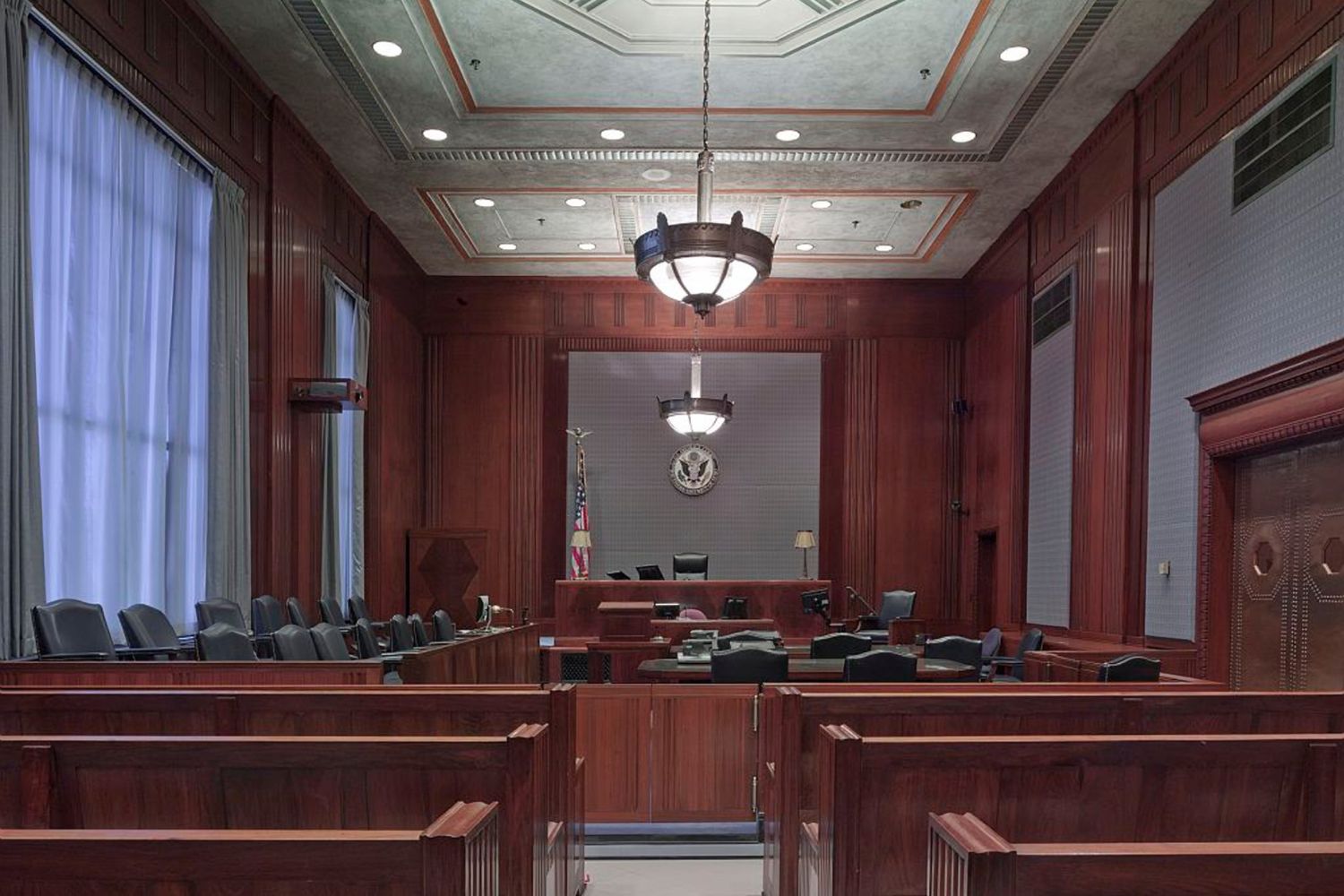
a courtroom interior

Statutory Rape and Age-Based Allegations

Statutory rape, referred to as “unlawful sexual activity with certain minors” under Florida Statute 794.05, is treated differently from other sexual battery charges because consent is not a defense. These cases often arise from teenage or young-adult relationships, online conversations, or misunderstandings about age.

The defense may focus on disproving sexual activity, challenging the accuracy of digital evidence, establishing inconsistencies in reports, or demonstrating that the State cannot meet its burden of proof. These cases can be emotionally charged and require careful handling to protect the accused and ensure a fair evaluation of the facts. Carrie Rentz also serves as an experienced statutory rape defense attorney in Orlando and the surrounding areas.

What to Do (and Avoid) After a Rape or Sexual Battery Accusation

The actions you take immediately after an accusation can strengthen or weaken your defense. 

To protect your rights and your case:

  • Do not make statements to police without an attorney present.
  • Do not contact the accuser, even indirectly.
  • Do not post about the situation on social media.
  • Preserve any texts, photos, videos, or location data that may be relevant.
  • Contact an experienced criminal defense lawyer as soon as possible.

Navigating the Legal System in Central Florida

Sexual battery cases follow distinct procedures in Orange and Seminole Counties. Rentz Law appears regularly in both the Orange County Courthouse in downtown Orlando and the Seminole County Criminal Justice Center in Sanford. Each has its own prosecutorial tendencies, docket timelines, and courtroom procedures. Understanding these local patterns helps us prepare more effectively and identify opportunities to challenge evidence, negotiate with the State, or pursue pre-trial outcomes.

What Our Clients Are Saying

Rape and Sexual Battery Defense FAQs

What is the difference between rape and sexual battery in Florida?

Florida law uses the term “sexual battery” under Statute § 794.011. Rape is not separately defined. Sexual battery includes a range of conduct involving lack of consent or impaired consent.

Yes. Charges may be dropped if evidence is weak, inconsistent, or contradicted by digital or forensic proof. Each case depends on its specifics.

False accusations do occur. We examine communication records, inconsistencies, timelines, and forensic evidence to challenge unsupported claims.

Not necessarily. Many cases resolve through dismissal, reduced charges, or negotiated agreements, depending on the evidence and strategic decisions.

These cases often take several months or longer due to the complexity of evidence. Early legal intervention helps protect your rights during this period.

Most do, though exceptions may apply depending on the statute and case outcome. We evaluate every detail to identify options that avoid registration when possible.