
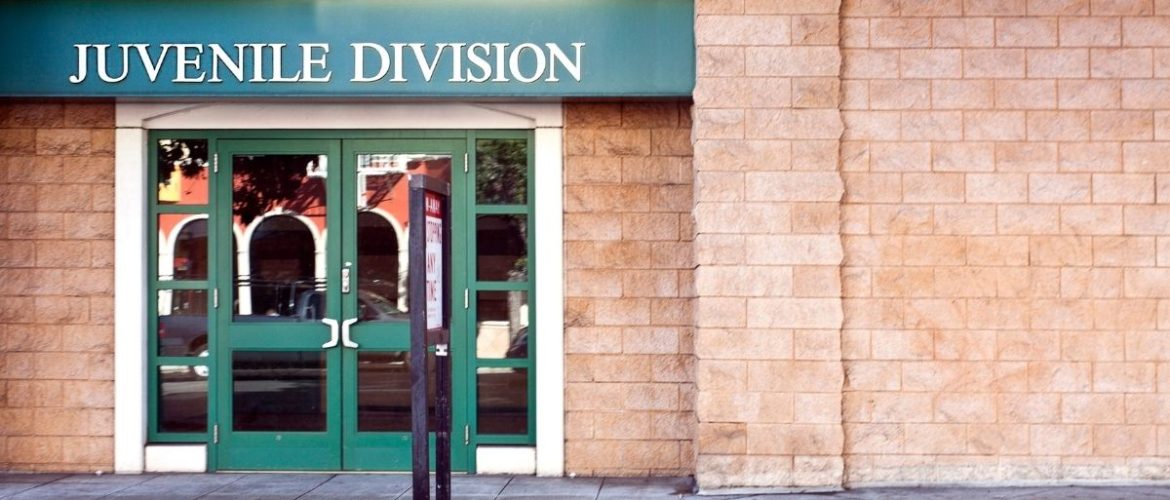
A call from the school resource officer, a text from your teenager, or a knock at the door from Orange County or Seminole County law enforcement can turn an ordinary evening into a time of crisis. When the reason is a drug charge, most parents have no idea what happens next: whether their child will be arrested, whether this becomes a permanent record, or whether a single bad decision at 16 can follow a young person for the rest of their life.
The good news is that Florida’s juvenile justice system is built differently than adult criminal court. It leans toward rehabilitation, not punishment, and it offers several paths that can resolve a case without a lasting record. But those paths have real deadlines and real conditions, and the wrong move in the first few days can close off options that were otherwise available. This article walks through how juvenile drug cases work in Orlando and Seminole County, what diversion options exist, and when a case can escalate into something far more serious.
How Juvenile Drug Cases Differ From Adult Cases
Florida handles most cases involving minors through the Department of Juvenile Justice (DJJ) and the juvenile division of the circuit court, governed by Chapter 985 of the Florida Statutes. The underlying drug offenses themselves, such as possession of a controlled substance, possession of cannabis, or possession of drug paraphernalia, are still defined by Chapter 893, the same law that applies to adults.
The difference is in the process and the vocabulary. A juvenile isn’t convicted; if the case proceeds, the outcome is an adjudication of delinquency or a withhold of adjudication, and the child moves through intake, probation, or diversion rather than the adult sentencing structure. That distinction will shape every decision point that follows, including whether the case is even referred to the courts.
What Happens After a Juvenile Drug Arrest in Orlando or Sanford
If your minor child has been arrested on drug charges in Orlando or Sanford, here’s what happens next:
- Contact and citation decision. For many first-time misdemeanor situations, such as possession of a small amount of cannabis or paraphernalia, an officer has the discretion to issue a civil citation instead of making an arrest.
- Juvenile Assessment Center intake. If the child is taken into custody, they’re typically brought to a juvenile assessment center for identification and a risk screening that considers the offense, prior history, and public safety factors.
- DJJ intake and detention screening. A juvenile probation officer reviews the case and determines whether the child is released to a parent, referred to diversion, or held pending a detention hearing, which by law must occur within 24 hours of intake.
- State Attorney review. The State Attorney’s Office decides whether to offer a diversion or drug court referral, file a delinquency petition, or, in narrow and serious circumstances, pursue prosecution in adult court.
Every one of these steps is a decision point where the right information, presented early, can change the outcome. That’s part of why getting an attorney involved right away, before statements are made or a diversion offer is accepted or declined, matters as much in a juvenile case as it does in an adult one.
Common Drug Charges Involving Minors
Most juvenile drug cases in Orange and Seminole Counties involve one or more of the following under Chapter 893:
- Possession of cannabis (misdemeanor or felony amounts, including vape cartridges and edibles)
- Possession of a controlled substance without a prescription (including counterfeit or diverted prescription pills)
- Possession of drug paraphernalia under §893.147
- Possession with intent to sell, or actual sale or delivery, often stemming from texts or social media activity that officers interpret as a transaction
The last category carries far more weight than the others. A felony-level sale or delivery charge changes the diversion options available and, for older teens, can open the door to prosecution outside the juvenile system entirely.
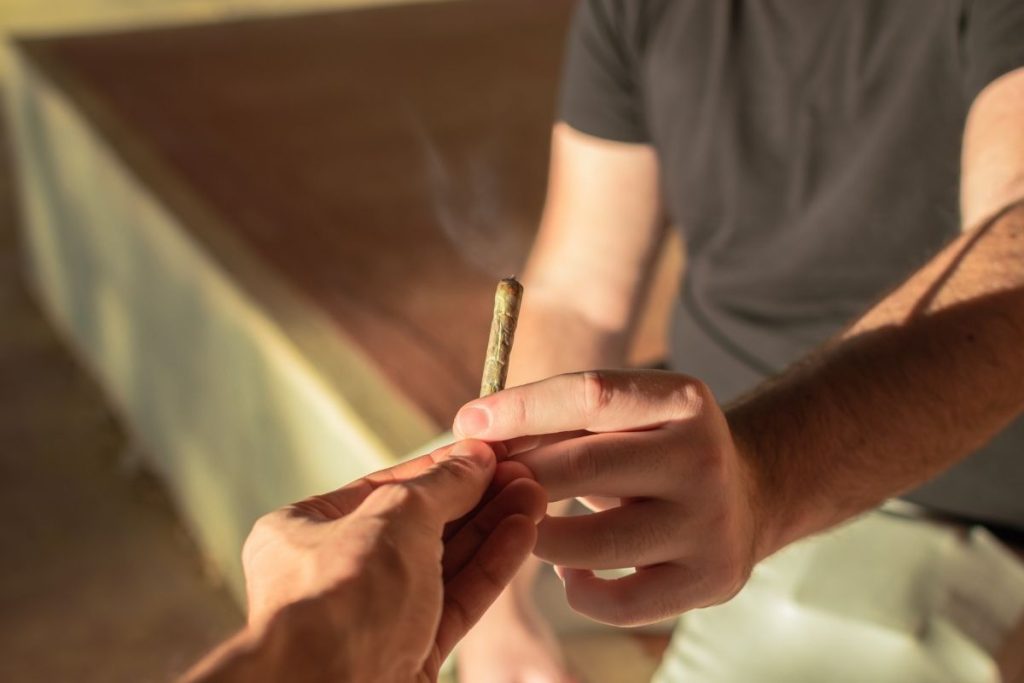
Diversion Options That Can Keep This Off Your Child’s Record
Civil Citation. Under §985.12, Florida’s civil citation program lets an officer resolve an eligible misdemeanor, including many first-time paraphernalia or possession cases, without an arrest. With parental consent, the child completes community service hours and any recommended intervention, such as substance abuse screening. If the program is completed, the case is not referred to the State Attorney, the Clerk of Court, or the Florida Department of Law Enforcement, and the child does not have an arrest record from that incident.
Teen Court. Available in both counties for youth roughly 12 to 18, Teen Court replaces a traditional delinquency hearing with a peer-run process. In Orange County it’s coordinated through the Ninth Judicial Circuit; in Seminole County it’s administered through the Sheriff’s Office. Completion typically results in dismissal.
Juvenile Drug Court. Orange County’s Juvenile Substance Abuse Treatment Court and the Eighteenth Circuit’s Juvenile Drug Court, serving Seminole County, both offer intensive, treatment-focused supervision as an alternative to standard delinquency proceedings for youth whose case involves a substance use component. These programs typically run in phases, from assessment through aftercare planning, and can result in dismissal or reduced charges upon completion.
Other State Attorney–approved diversion. Programs such as the Juvenile Delinquency Alternative Program in Orange County take DJJ- and SAO-approved referrals for eligible youth and, if completed, result in dismissal of the underlying charge.
Eligibility for these programs depends on the specific charge, the child’s prior history, and, often, the State Attorney’s approval. Missing a deadline or entering a program without understanding its conditions can foreclose better options later, which is why this is exactly the kind of decision to make with an attorney’s guidance rather than on your own.
When a Juvenile Drug Charge Can Become an Adult Case
Understandably, what many parents fear most is the juvenile drug charge becoming an adult case.
For 14- and 15-year-olds, Florida’s direct file statute, §985.557, limits adult prosecution to a specific list of serious offenses; ordinary drug possession or even most sale charges at this age generally fall outside that list.
For 16- and 17-year-olds, the calculus changes substantially. The State Attorney has broad discretion to direct file any felony into adult court, and a felony-level drug charge, such as sale, delivery, or trafficking, qualifies. Direct file happens without a judicial hearing; the prosecutor’s charging decision alone moves the case. That makes early intervention, before charges are filed, one of the most important windows in a case involving an older teen and a felony drug allegation.
What Happens If the Case Isn’t Diverted
If a case proceeds instead of resolving through citation or diversion, the State Attorney files a delinquency petition and the case moves to the juvenile division of the circuit court. Outcomes there range widely: probation with conditions tailored to the child’s needs, a period of supervised commitment for more serious or repeat cases, or, less often, prosecution in adult court under the circumstances described above. A predisposition report from DJJ, evaluating the child’s history and circumstances, typically informs whatever the court decides.
Will This Follow My Child?
Juvenile case information in both Orange and Seminole Counties isn’t open to public inspection without a court order; access is generally limited to the child, a parent or guardian, their attorney, and certain government officials. That’s different, though, from a record being automatically erased. Depending on how the case is resolved, sealing or expungement may be available, but it typically requires a separate petition with its own eligibility rules. Whether that path is realistic, and when to pursue it, should be evaluated with an attorney rather than assuming either the best or the worst.
How Rentz Law Helps Parents Through a Juvenile Drug Case
Carrie L. Rentz is a former prosecutor with more than 20 years of experience in Central Florida courts, and she personally handles every case, including juvenile matters, from the first phone call forward. That means direct access to your attorney by phone, text, or email, not a hand-off to a case manager, and a strategy built around your child’s specific charge, history, and circumstances—whether that means pursuing civil citation, drug court, or presenting mitigation to the State Attorney before a filing decision is made. Rentz Law regularly appears in both the Orange County Courthouse and the Seminole County Criminal Justice Center in Sanford, and understands how each circuit’s juvenile division and diversion programs actually operate in practice.
Frequently Asked Questions
Will my child be arrested for a first-time drug charge?
Not necessarily. Many first-time misdemeanor situations qualify for civil citation, which resolves the matter without an arrest if the requirements are completed.
Does completing a diversion program guarantee no record at all?
Successful completion generally means the case isn’t referred for formal prosecution and, in the case of civil citation, isn’t sent to the State Attorney or FDLE. It’s still worth confirming the specific outcome for your child’s program and charge with an attorney.
Can my teenager be charged as an adult for a drug offense?
It’s possible, particularly for 16- and 17-year-olds facing a felony-level charge like sale or trafficking, where the State Attorney has broad discretion to direct file. It’s far less common for straightforward possession charges or for younger teens.
Should I let my child talk to the police without an attorney present?
No. Anything said in that conversation, even something meant to explain or minimize what happened, becomes part of the record law enforcement and the State Attorney rely on.
What should I do right now?
Avoid discussing the details on social media or with anyone other than your attorney, gather any paperwork you’ve received, and contact a defense attorney before any diversion offer is accepted, declined, or ignored.
If your child is facing a drug charge in Orange County or Seminole County, contact Rentz Law today for a confidential consultation. Call (407) 214-3878.
This article is for informational purposes only and does not constitute legal advice. Reading this content does not create an attorney-client relationship. Diversion program requirements and eligibility criteria are subject to change; always confirm current program details with the State Attorney’s Office or your defense attorney. Contact Rentz Law directly to discuss the facts of your specific situation.

Attorney Carrie L. Rentz has practiced law in Florida since 2004. She began as an Assistant State Attorney for the 18th Judicial Circuit, handling misdemeanors and later felonies, before discovering her passion for defending the accused. After working part-time with the Office of Criminal Conflict and Civil Regional Counsel while managing her private practice, she transitioned to running her firm full-time. She has since handled thousands of criminal cases—focusing on drug crimes, sex crimes, domestic violence, theft, and juvenile offenses—and earned a 10.0 Superb Avvo Rating, ranking her among the National Trial Lawyers’ Top 100 Trial Attorneys.